
KERBL · Measurement, drenching and staff protection
KERBL veterinary diagnostics and treatment
Practical tools for initial animal assessment, controlled fluid administration and routine veterinary work.

Quick decision
Is this solution right for your farm?
Consider it when
Veterinary teams on dairy and beef farms
We clarify before quoting
Herd size, operating zone and housing method, daily load, dimensions and routes, water, power, cleaning and service.
Another solution may be better when
Animal group, layout, capacity, operating method or site utilities differ.
Best suited for
Veterinary teams on dairy and beef farms
Capabilities and controlled parameters
- Digital temperature measurement
- Calf drenching and fluid administration under an approved protocol
- Disposable protective gloves for veterinary work
- Model selection for the animal and operating procedure
- Tools do not replace veterinary diagnosis or staff training
KERBL · model catalogue
Veterinary tools by reference
Models are organised by purpose: temperature measurement, controlled fluid administration and staff barrier protection.
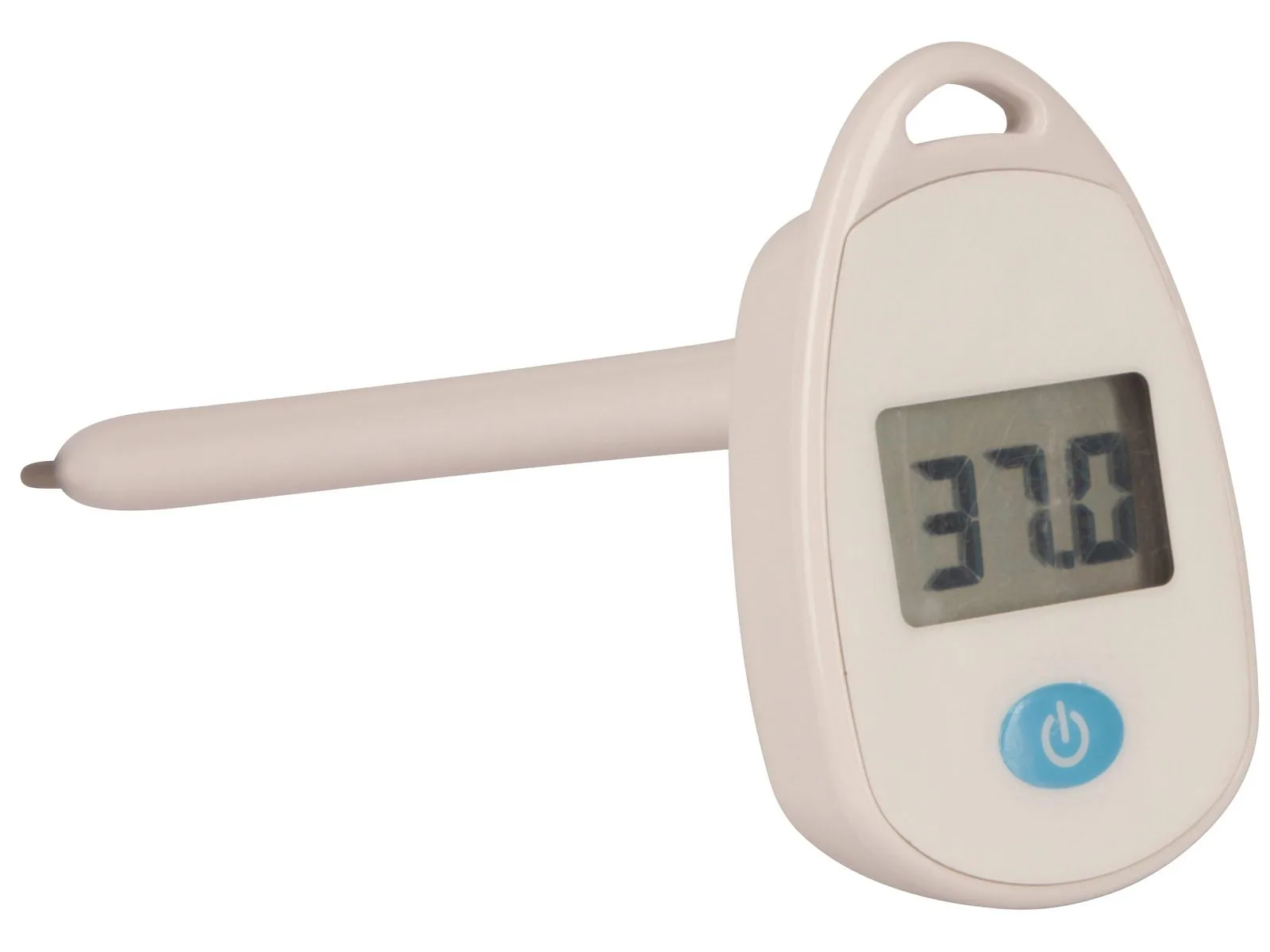
Thermometer for large animalsKERBL Digital Thermometer 2138A waterproof digital thermometer with a 14 cm probe and fast measurement for initial temperature checks in large animals.Learn More 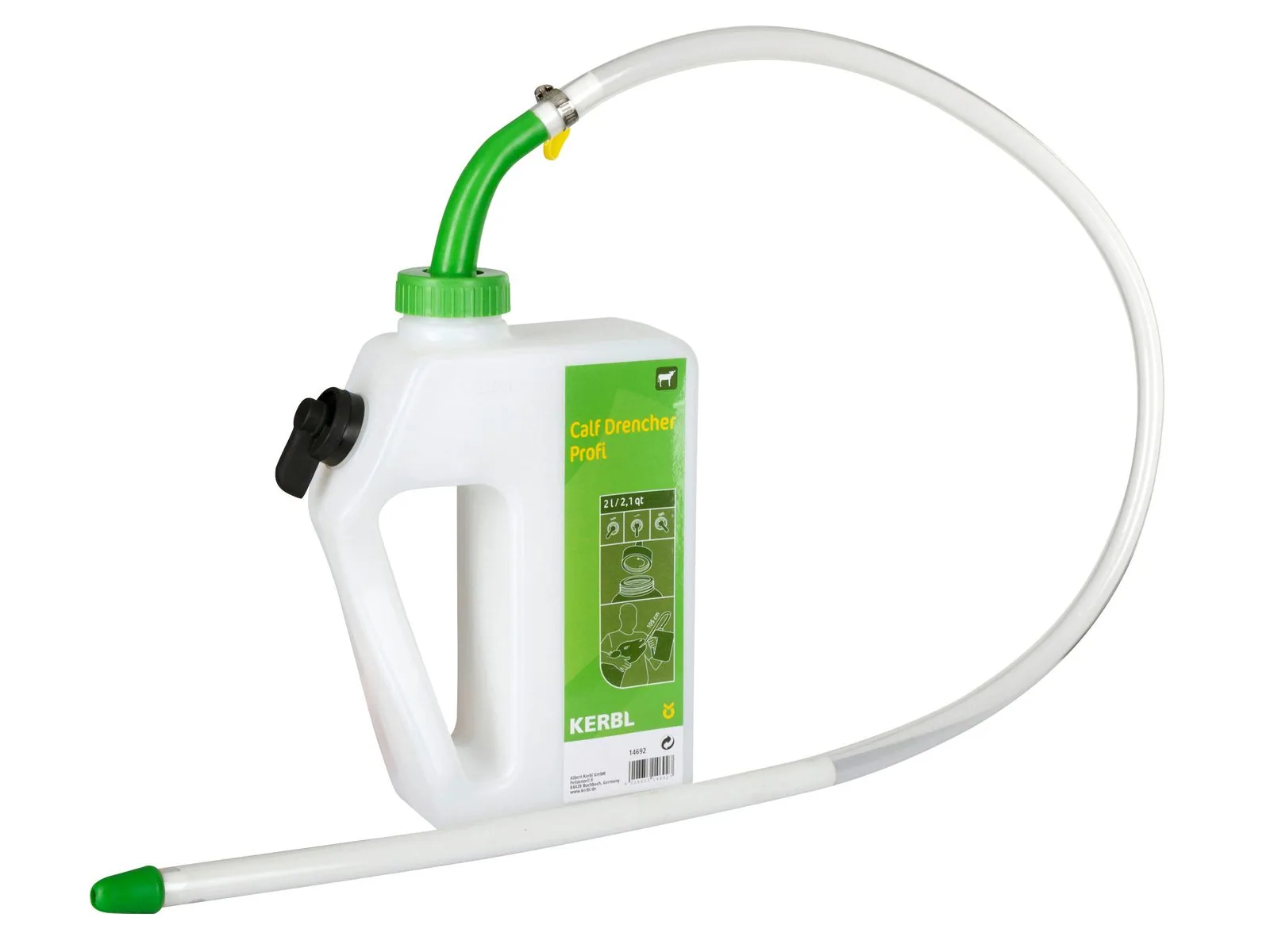 Calf probe feedingKERBL Calf Drencher Profi 14695A 4 L container with a 105 cm flexible probe and three-stage valve for controlled calf probe feeding.Learn More
 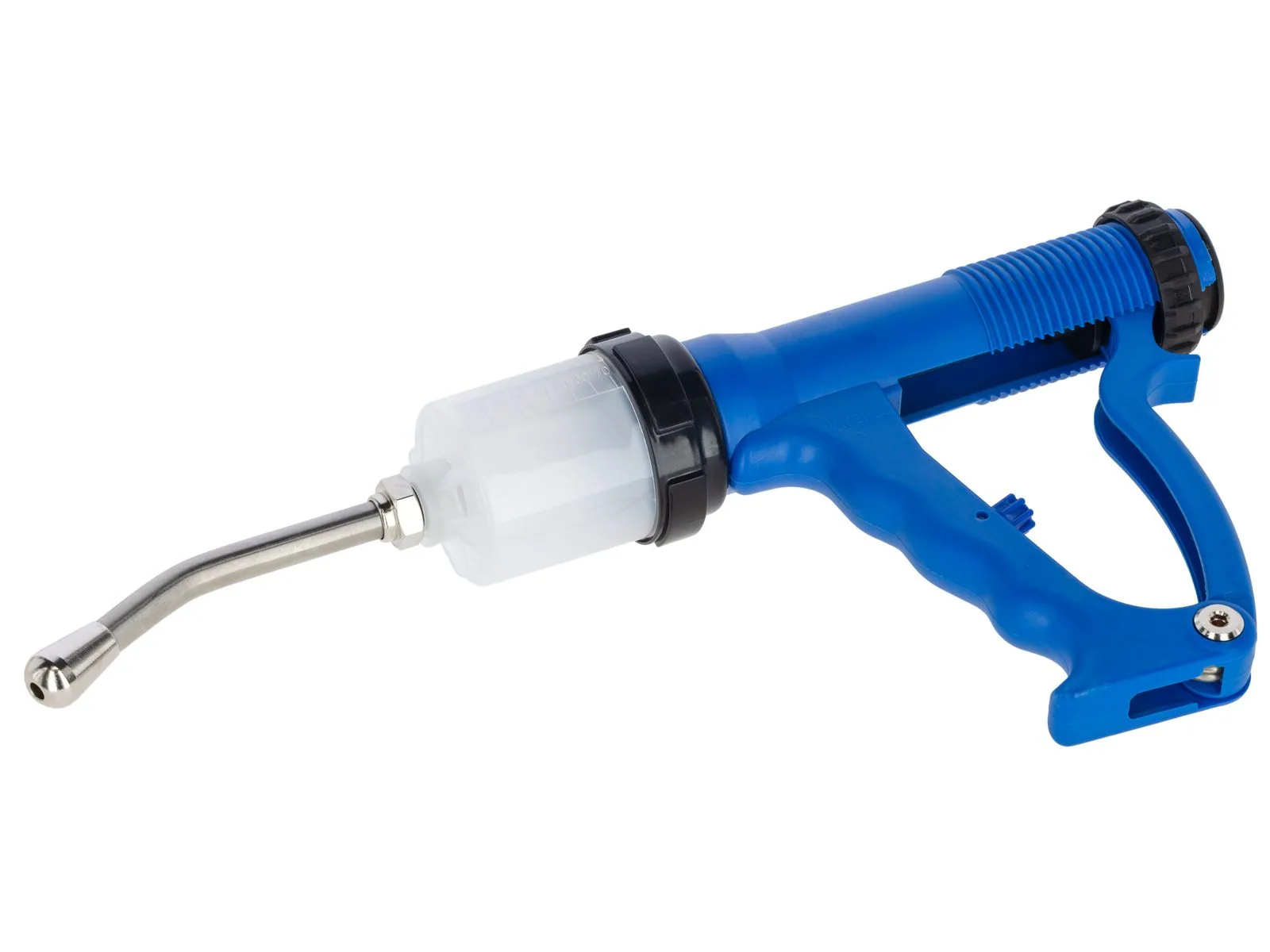 Metered fluid administrationKERBL Manual Drencher 2380A 500 ml disassemblable manual drencher with 10 ml graduations and adjustable dosing.Learn More
 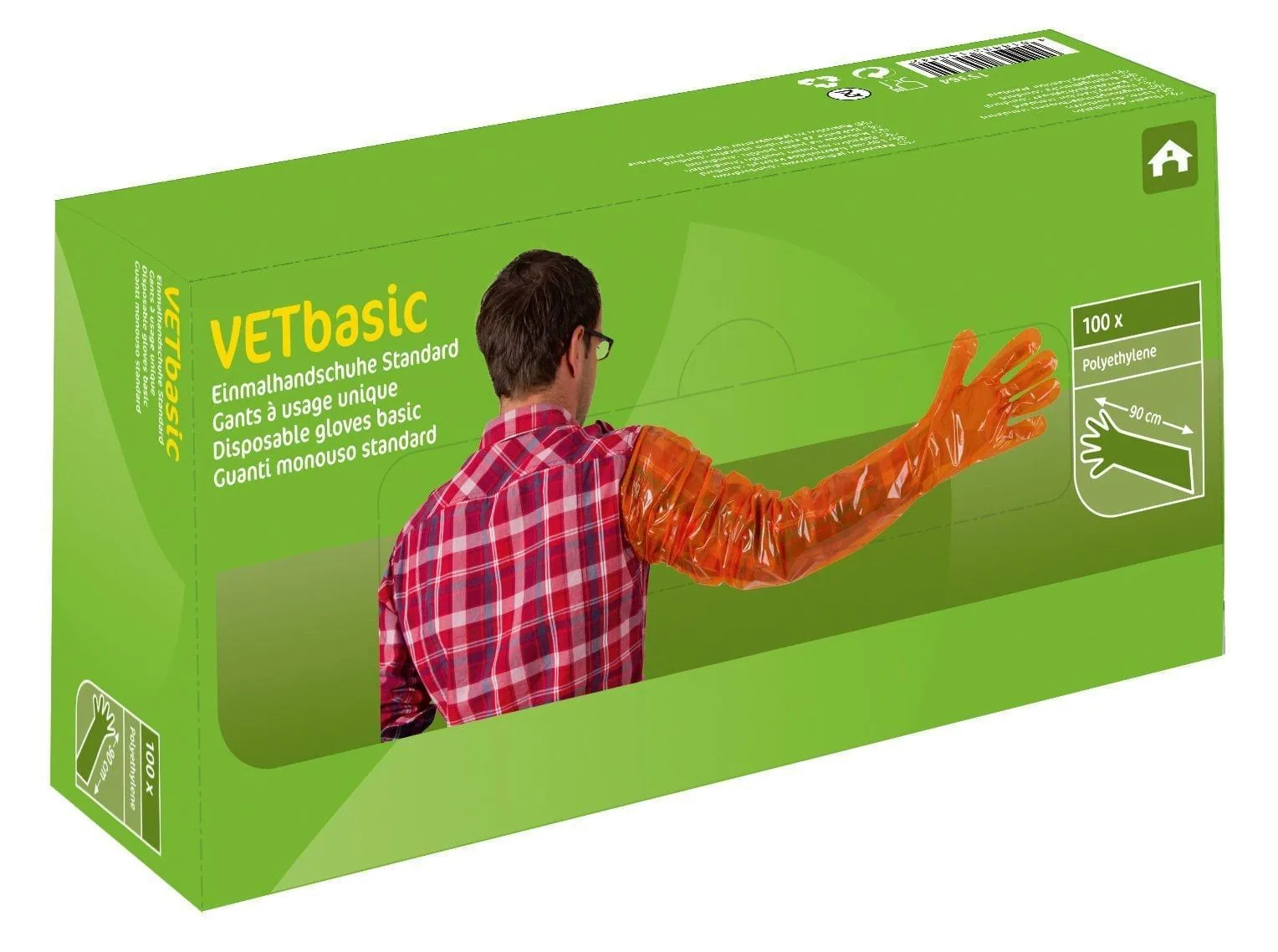 Single-use barrier protectionKERBL VETbasic Veterinary Gloves 15364Orange single-use veterinary gloves, 90 cm long, for procedures requiring hand and forearm protection.Learn More
 KERBL
Go deeper
Guidance on farm layout, operation and equipment selection.
LabLog
Implementation considerations
Implementation starts with site measurements, the operating route and daily load. LabLog coordinates the model with layout, animals, utilities, cleaning, operator safety, installation and service access.
How LabLog supports the project
- 01Capture site, animal and operating-cycle data
- 02Check dimensions, routes and utility connections
- 03Agree the model, options and supply boundaries
- 04Prepare installation, commissioning and operator training
- 05Define maintenance and spare-parts needs