
Hoof care
KERBL blocks, adhesive systems and bandages: a structured hoof-care workflow
A block or bandage is not a stand-alone treatment for lameness. A trained professional first determines the cause, restrains the animal safely, inspects and functionally trims the hoof. Only then is an off-loading and fixation method selected. This guide covers specific KERBL systems from LabLog’s actual range with verified characteristics.
In short
The workflow matters more than the product name
Before applying a block, identify the affected and healthy claws, perform functional trimming and prepare a clean, dry surface. A block transfers part of the load to the healthy claw but does not remove the underlying cause. Inflammation, deep lesions or systemic lameness require a veterinary decision under the farm protocol.
- Inspection and diagnosis
- Safe restraint and functional trimming
- Surface preparation, system selection and follow-up
Tools 1619, 163, 165 and 213
LabLog’s actual shipment confirms steel hoof-checking pliers 1619, double-transmission cutters 163, side cutters 165 and the two-handle metal rasp 213. They serve different operations—examination, horn removal and surface finishing—so no single tool should be treated as a replacement for the complete set.
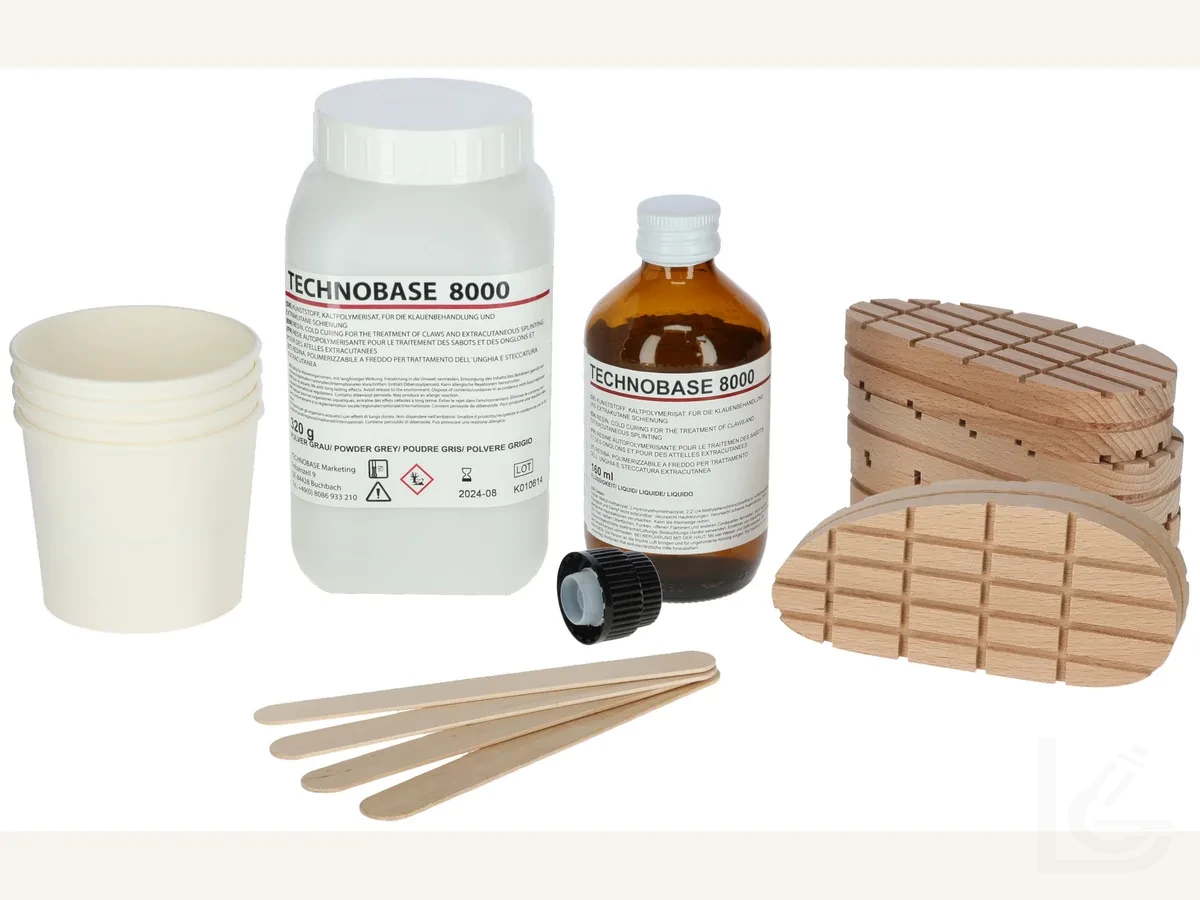
TechnoBase 8000: mouldable wooden-block fixation
TechnoBase 8000 is a powder-and-liquid system moulded around a wooden block before polymerisation. KERBL states a curing time below 4–5 minutes at 20 °C and low exothermic heat. LabLog’s shipment document confirms reference 16259 for the 4-application kit and 16251 for the 14-application kit. LabLog reconfirms the reference and configuration before supply.
Technovit-2-Bond 16240: fast two-part adhesive
Technovit-2-Bond is a polyurethane adhesive for wooden and rubber blocks. Reference 16240 is confirmed as a set without the dispensing gun. The manufacturer states an initial set in about 30 seconds and full loading after approximately three minutes when components have been correctly stored above 15 °C. Temperature, surface preparation and component compatibility are critical.
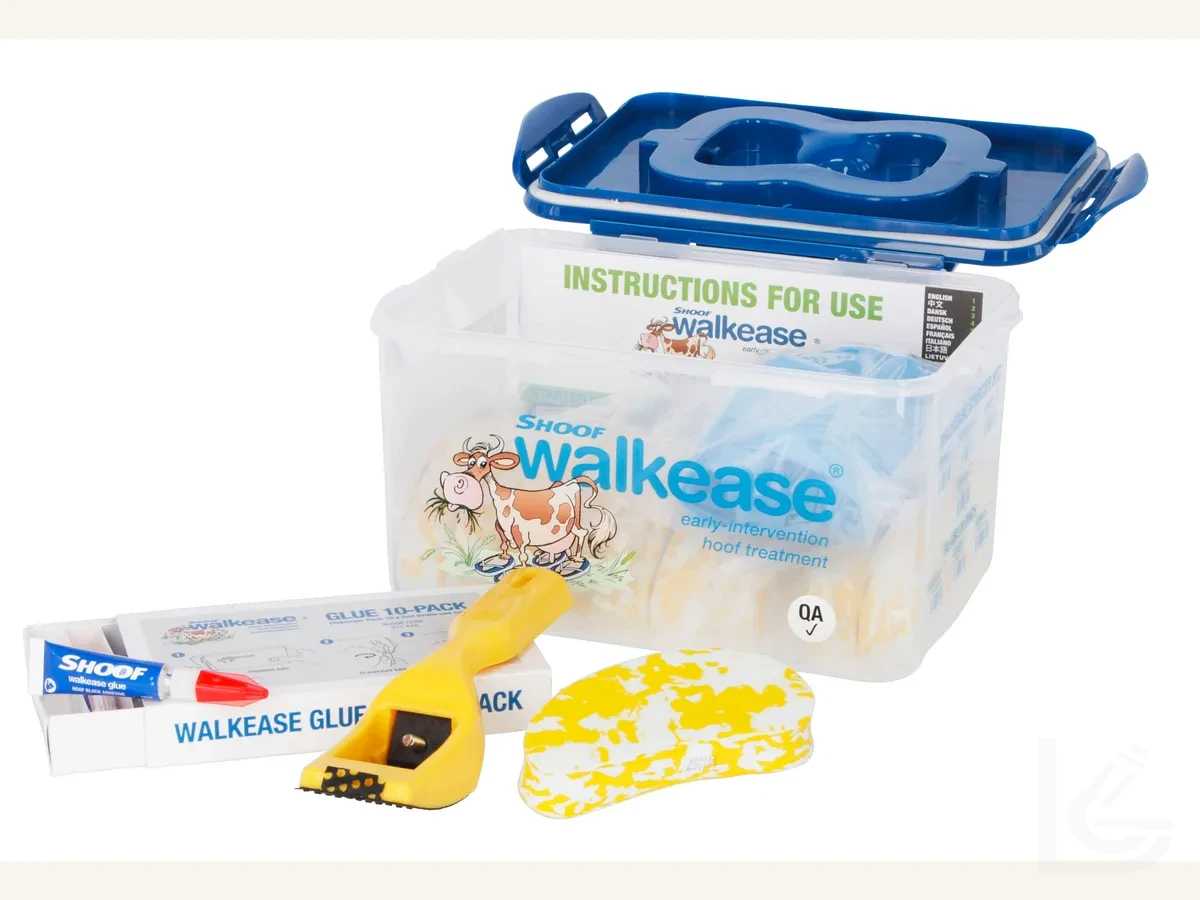
Walkease 16481: lightweight EVA block
Walkease combines a lightweight EVA block with cyanoacrylate adhesive. KERBL states that loading is possible about ten seconds after correct application. Fast fixation does not remove the need for preparation: the professional must select the size, define placement and protect skin and eyes when handling the adhesive.
EquiLastic and VetTape: fixation with mandatory follow-up
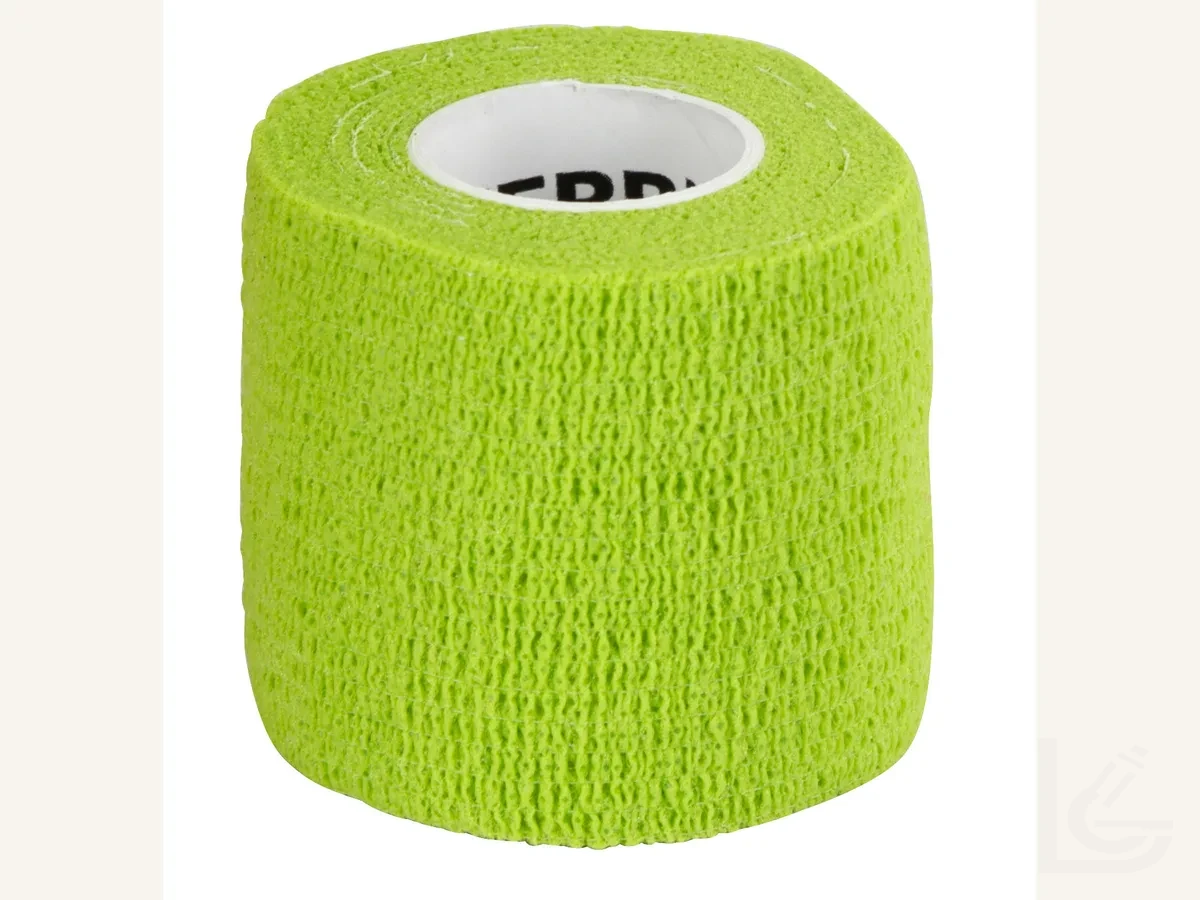
The shipment confirms EquiLastic self-adherent bandages 16554 (green), 16555 (violet) and black VetTape adhesive tape 16390. A dressing needs a defined purpose, must not constrict the limb and must have a planned inspection or removal time. Prolonged, uncontrolled bandaging can conceal deterioration.
What LabLog needs for selection
For an accurate proposal, provide the farm type, task, user qualification, trimming chute, preferred block type and material-storage conditions. LabLog verifies the current reference, set contents, compatible consumables and manufacturer instructions.
FAQ
FAQ
Which claw receives the block?+
Normally on the prepared healthy claw to temporarily off-load the affected claw. A trained professional decides after inspection and trimming.
How does TechnoBase differ from Technovit-2-Bond?+
TechnoBase 8000 is a mouldable powder-and-liquid mass; Technovit-2-Bond is a two-part polyurethane adhesive. Their preparation, working time and application requirements differ.
Can a bandage be left without follow-up?+
No. A professional must define the purpose, check that the limb is not constricted and schedule inspection or removal.
Where can KERBL hoof systems be ordered in Uzbekistan?+
Through LabLog Group, the official KERBL distributor in Uzbekistan. We verify the reference, set contents and compatible consumables.
Sources and documents