


Pit and stallwork
Dimensions, corrosion, geometry, cow position and operator access.
DairyMaster · retrofit
We first survey the existing facility and the constraints of daily farm operation. We then separate what can remain, what must change and how to transition with the shortest practical milking interruption.
DairyMaster × LabLog
A retrofit starts with actual dimensions, system condition and the working cycle—not a ready-made equipment list.
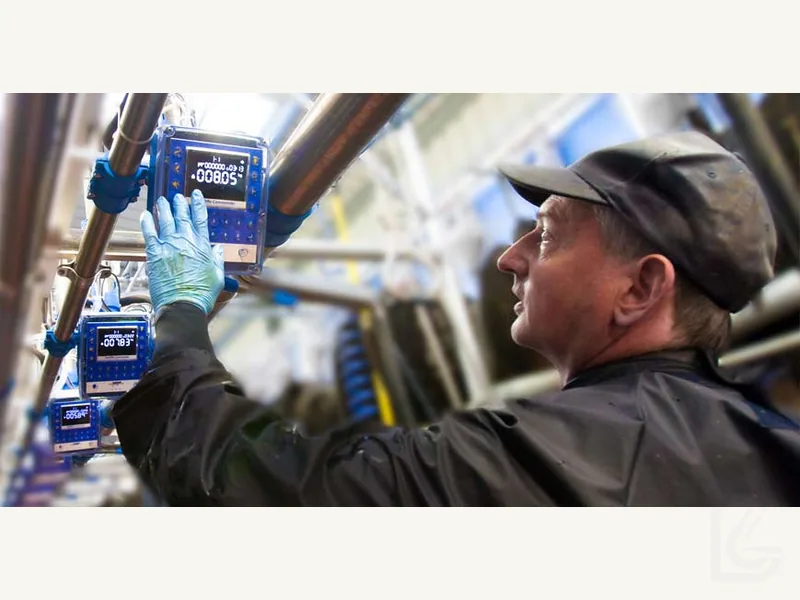
Dimensions, corrosion, geometry, cow position and operator access.
Lines, receivers, pumps, filters, diversion and washing capability.
Load, stability, regulators, leaks, backup and line condition.
Cluster removal, meters, identification, drafting, interfaces and data history.
Flow, hot water, chemicals, AutoWasher, drainage and cleaning sequence.
Peak milk flow, tank, plate cooler, supply, protection and backup.
The final route follows the survey and compatibility calculation.
Replace selected elements such as meters, controls, ACR, pumps, gates or cooling.
Split work into stages so the operating process can continue between phases.
Rebuild stallwork and utilities around a new parlour operating cycle.
Retention of the existing pit, compatibility with old controls, a specific throughput or a short shutdown cannot be guaranteed in advance. They depend on dimensions, equipment condition, available documentation and the selected configuration.
A plan, pit and stallwork photos, group-flow diagram, equipment list and description of the main constraints are especially useful.
LabLog × DairyMaster
Complete whatever is already known. A finished building design is not required for the first discussion.
Use the dedicated engineering route for new construction.
Cookies and analytics
GA4 receives a cookieless, non-personalized visit signal. Analytics storage and Yandex Metrica are enabled only after your consent.
Privacy policy