
AuroraNir / feed and grain
AuroraNir: 20 feed, silage and grain matrices for NIR analysis
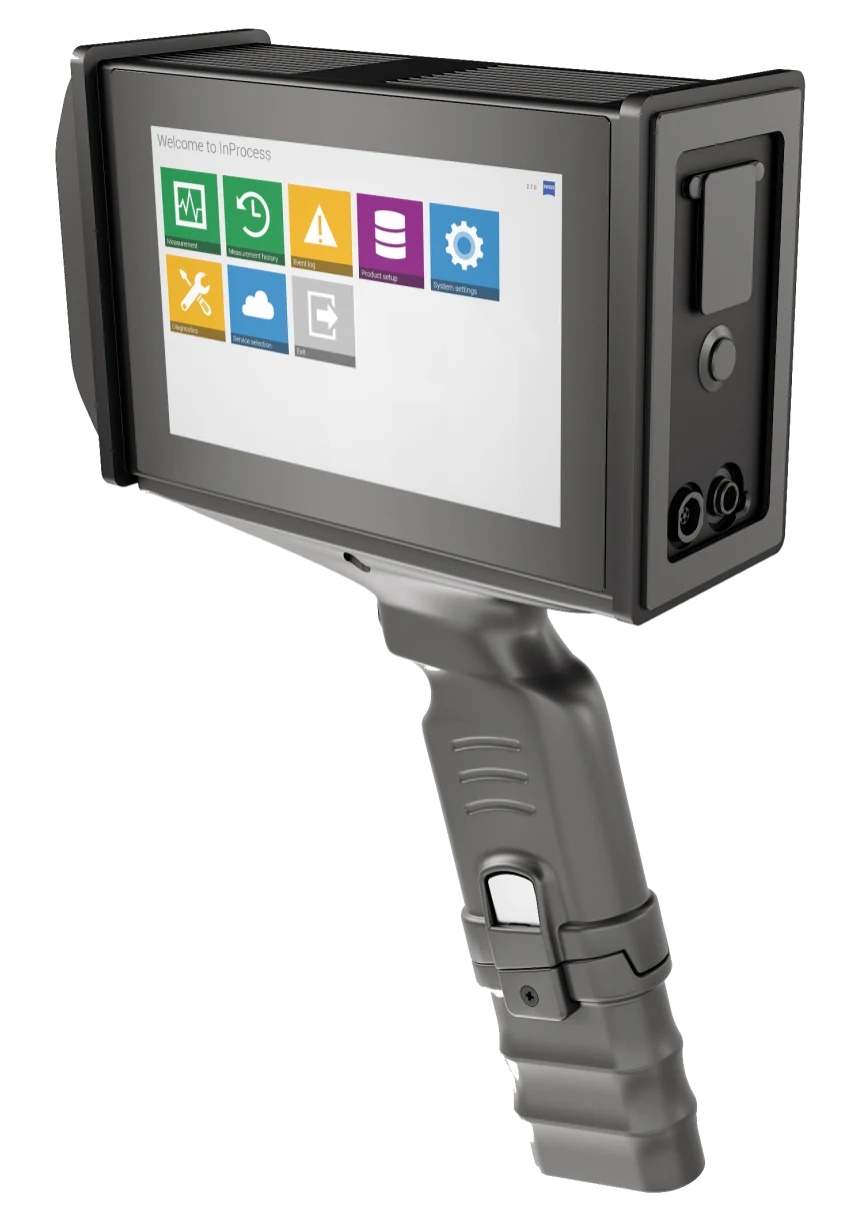
AuroraNir is useful when waiting for a laboratory takes too long and a feed or raw-material decision must be made next to the material: on farm, in a warehouse, at an elevator, in the field, by a silage pit or during intake.
In short
20 matrices: from grain to cattle ration
The current AuroraNir calibration table includes 20 matrices: compound feed, wheat, barley, whole and ground corn, high-moisture corn, corn silage, grass silage, legume silage, small-grain silage, fresh grass, alfalfa hay, haylage mix, bran, sunflower and soybean cakes, sunflower, soybean and rapeseed meals, and TMR — total mixed ration for cattle. The number of parameters varies by matrix from 5–6 to 25 values.
What the parameters show
For grain and compound feed, the most important values are typically moisture, dry matter, protein, fat, fibre, ash, starch, calcium and phosphorus. For silage and haylage, pH, lactic and acetic acids, ammonia in crude protein, NDF, ADF and dry-matter-based values are also important. This helps understand not only what is in the batch, but also how the feed may work in the ration.
Where AuroraNir is especially useful
The portable format is useful on farm for feed and TMR control, at elevators during grain intake, in raw-material warehouses, in feed production and for rapid silage checks. AuroraNir does not replace reference laboratory methods: disputed, arbitration or critical cases should be confirmed in the laboratory. But for routine and preliminary control, it shortens the time between sampling and decision.
Why calibrations matter more than loud claims
NIR analysis is not “magic scanning”; it is spectral measurement combined with a mathematical model. Accuracy therefore depends on the matrix, value range, sample preparation, correct calibration and method verification. Before implementation, it is important to define which materials you measure, which parameters are required, what ranges occur, how many samples are tested per day and how the method will be verified.
How LabLog implements AuroraNir in Uzbekistan
We do not stop at delivering the instrument. LabLog helps select matrices and parameters for the task, review the calibration table, discuss sample preparation, operator training, service and method verification. This is especially important for farms, laboratories, elevators and feed mills where the analyser must become a working tool, not a “nice box on the shelf”.
FAQ
FAQ
How many matrices are available for AuroraNir?+
The current calibration table lists 20 matrices: grain, compound feed, silages, haylage, hay, fresh grass, cakes, meals, bran and cattle total mixed ration. Each matrix has its own parameter set.
Can one instrument cover both grain and feed?+
Yes, if suitable calibrations and ranges exist for your materials. That is why selection should include not only the instrument, but also the matrix table, required parameters, sample preparation and method verification plan.
Does AuroraNir replace a laboratory?+
No. AuroraNir speeds up routine and preliminary control next to the material. Disputed, arbitration and critical results should be confirmed by laboratory or reference methods.
Which standards are relevant for NIR feed analysis?+
For near-infrared spectroscopy of feeds and agricultural products, ISO 12099 and GOST ISO 12099-2017 / GOST R 71208-2024 are relevant. In practice, the standard does not remove the need for correct calibration and method verification for a specific matrix.
What should be clarified before buying AuroraNir?+
Matrices, required parameters, value ranges, daily sample volume, instrument location, sample-preparation rules, operator training and the method used to confirm results.
Sources and documents