
Grain and feed
NIR analysis for grain and feed: when it pays off in production
In grain and feed, NIR is not about a “nice number”; it is about fast decisions: accepting or separating a batch, adjusting drying, setting feed formulas and checking raw-material stability. The control point matters: Infratec covers rapid whole-grain intake analysis, while NIRS DS3 supports broader laboratory control across matrices.
Different control points need different instruments
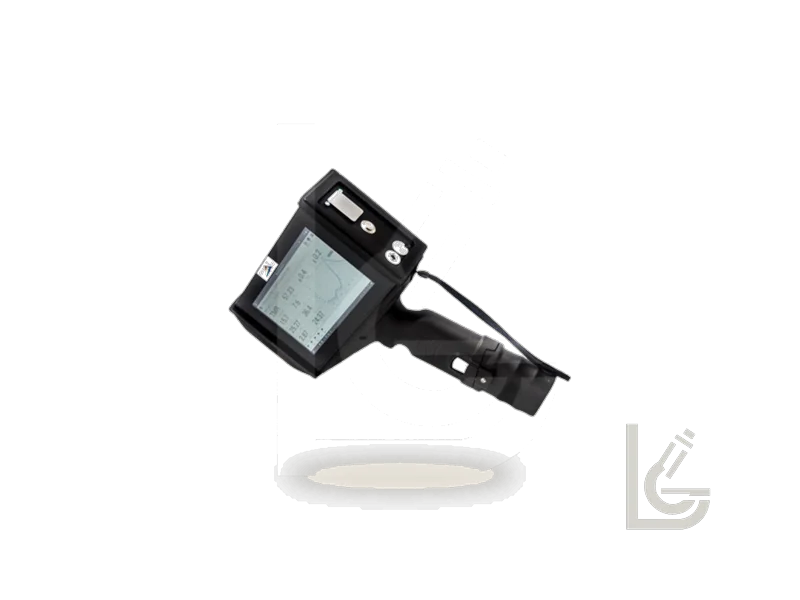
For fast whole-grain intake without grinding, FOSS Infratec is the logical choice: it works with whole grain, oilseeds and pulses and fits intake, sorting and quality-based decisions. If the laboratory covers more matrices — flour, feed, ingredients, raw materials and finished products — NIRS DS3 with the relevant calibration packages should be considered.
Parameters and method standards
Typical parameters include moisture, protein, oil, starch, gluten, test weight, fibre, ash and other values depending on crop and calibration. For NIR/NIT analysis, the instrument and speed are not enough: calibrations must be verified against reference methods. ISO 12099, GOST ISO 12099-2017 and GOST R 71208-2024 provide the methodological basis for NIR methods, calibrations and result suitability control.
Where the economic effect appears
The effect comes from more accurate intake, less overdrying, batch separation by quality, recipe adjustment and fewer delays waiting for laboratory results. In feed production, protein, moisture and energy stability are especially important: the faster the picture is visible, the faster the technologist can adjust the formula.
How to implement without mistakes
Before purchase, define crops, parameter ranges, sample throughput, accuracy requirements, reference methods and a plan for calibration verification on local raw materials. LabLog helps select not just an instrument, but a working scheme: intake, laboratory, operator training, calibration checks and a clear control procedure.
Sampling determines NIR result quality
Rapid analysis cannot compensate for poor sampling. Build a composite sample from a truck or silo using an approved scheme, mix thoroughly and reduce it without composition bias. Whole-grain intake requires flow representativeness; feed analysis must address particle heterogeneity, moisture and grinding.
Preparation must match the calibration. A model developed for ground material cannot provide defensible results from an unground sample.
Calibration: transfer, verification and maintenance
A global calibration provides a fast start, but verify it on local crops, varieties, seasons and quality ranges. Reference results must cover real extremes, not only average samples.
After release, trend bias and outliers. A new crop, supplier, harvest season or preparation change triggers model review. Adjust from a sound dataset, not from one inconvenient result.
Choosing between Infratec, NIRS DS3 and AuroraNIR
Infratec is oriented towards rapid whole-grain intake analysis. NIRS DS3 is a laboratory platform for a broader range of ground, unground and liquid feed matrices within available calibrations. AuroraNIR should be assessed as a separate configuration against manufacturer-declared matrices and locally verified models.
Choose by matrices, throughput, preparation, parameters, data integration and reference-control plan. Sharing the NIR name does not make instruments interchangeable.
FAQ
FAQ
Are Infratec and NIRS DS3 the same?+
No. Infratec is a FOSS solution for rapid NIT/NIR control of whole grain at intake and in trading. NIRS DS3 is a broader laboratory NIR platform for different matrices and calibrations.
Which standards matter for NIR grain and feed analysis?+
For NIR methods, ISO 12099, GOST ISO 12099-2017 and GOST R 71208-2024 are important. They help organise calibration, result verification and reference-method work correctly.
Can a global calibration be used without verification?+
It is useful for implementation, but suitability must be confirmed on local samples across the working range using applicable reference methods.
Sources and documents