

Inputs
- maximum milk-pump flow
- milk inlet temperature
- seasonal water temperature
- available water flow and pressure
DairyMaster · Milk pre-cooling
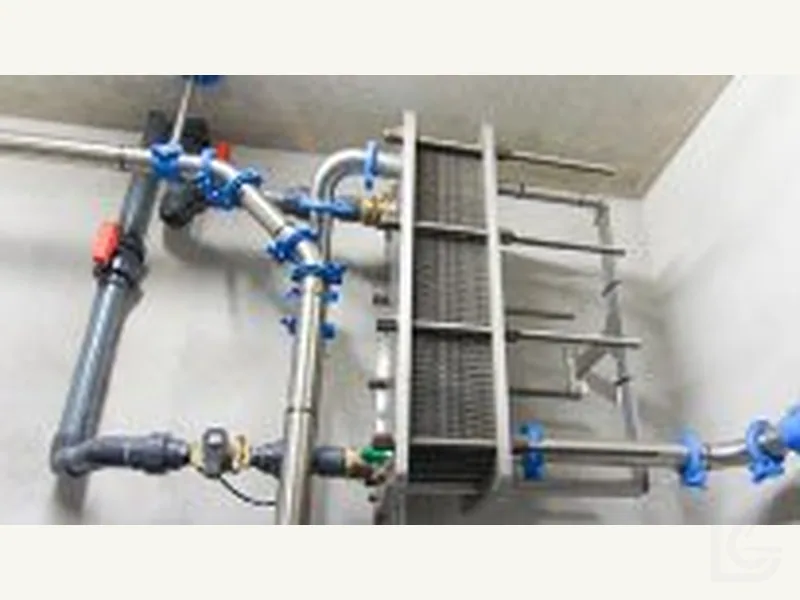
A plate heat exchanger that reduces milk temperature before it enters the tank or silo.
Quick decision
Consider it when
Projects with suitable water supply that need lower refrigeration load
We clarify before quoting
Herd size, operating zone and housing method, daily load, dimensions and routes, water, power, cleaning and service.
Another solution may be better when
Animal group, layout, capacity, operating method or site utilities differ.
Projects with suitable water supply that need lower refrigeration load
Cooling engineering scope
A plate cooler reduces tank load when water flow and temperature match the actual milk flow. Seasonal water temperature and water quality are especially important in Uzbekistan.
We verify summer ambient temperature, water temperature and quality, available electrical capacity, backup power, milking schedule and milk collection. Configuration is fixed only after thermal and hydraulic calculations.
Outlet milk temperature cannot be promised without water temperature and flow, milk flow, plate count and the condition of heat-transfer surfaces.
LabLog
The final parlour configuration depends on milking herd size, milking frequency, group size, shift duration, building layout, collecting yard, operators, water, power and milk cooling. LabLog starts with an engineering brief and never defines throughput from stall count alone.
Cookies and analytics
GA4 receives a cookieless, non-personalized visit signal. Analytics storage and Yandex Metrica are enabled only after your consent.
Privacy policy