Hygiena · Surface ATP test
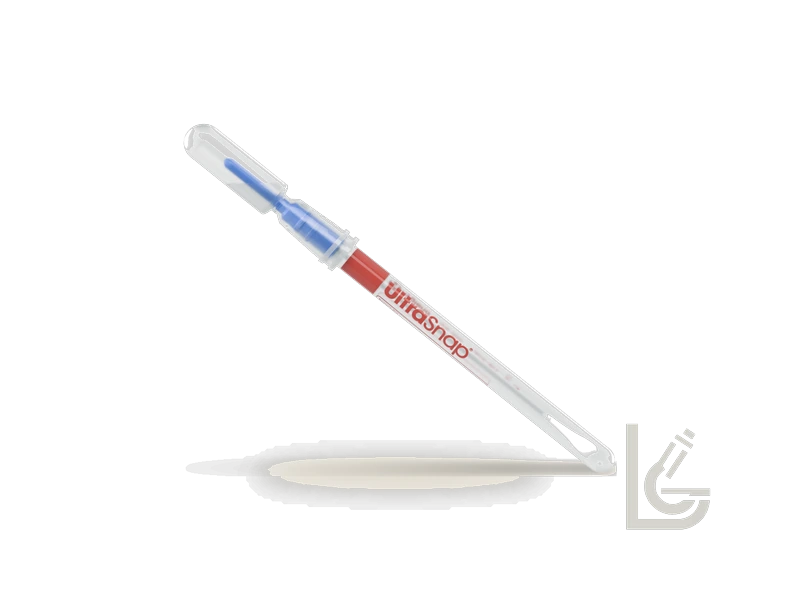
UltraSnap
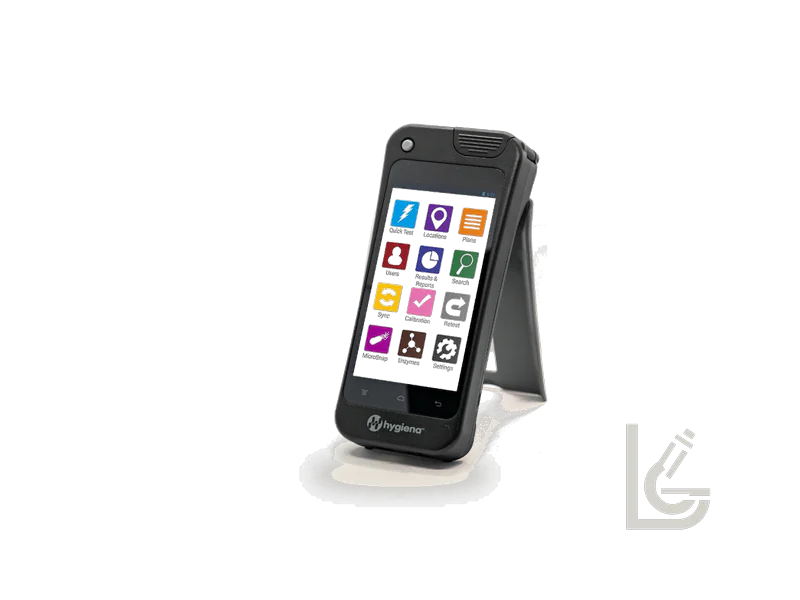
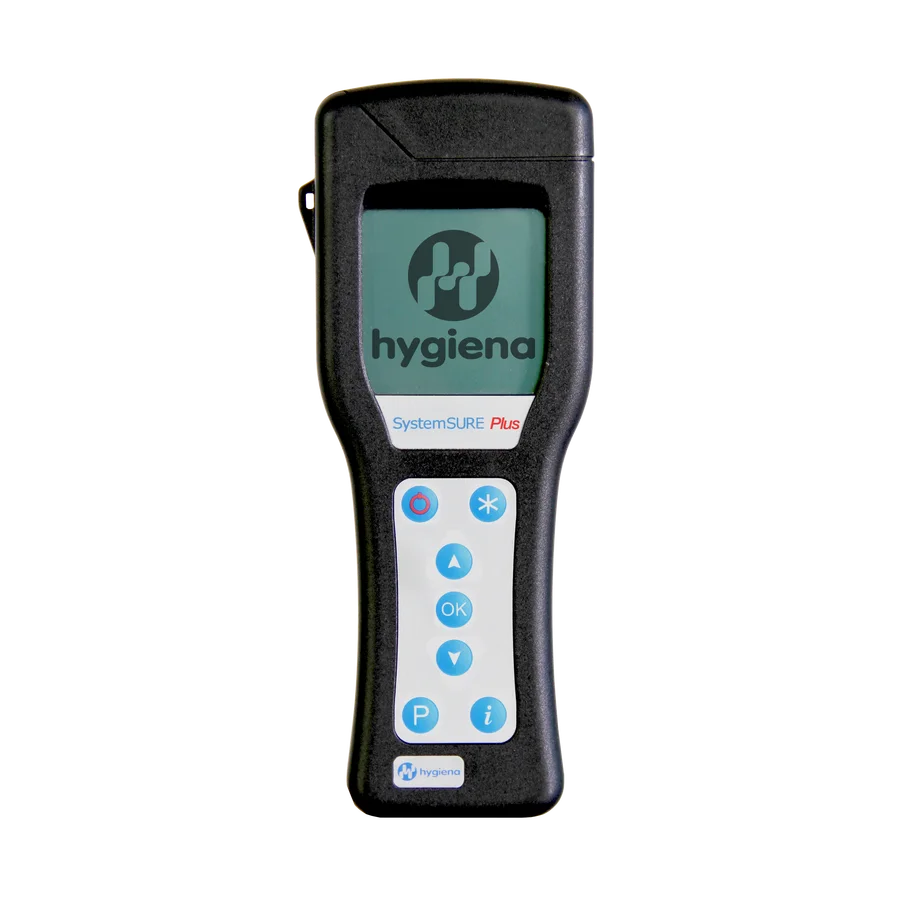
A self-contained ATP test for rapid cleanliness checks of food-contact surfaces after cleaning. The swab is activated with its built-in reagent and read on a compatible Hygiena luminometer in 10 seconds.
Quick decision
Is this test right for your control programme?
Consider it when
Pre-operational checks of lines, tanks, conveyors, utensils and hard-to-clean sanitation points
We clarify before quoting
Matrix and sampling point, target, decision threshold, test volume, compatible reader, control points, frequency and approved procedure.
Another test may be better when
The matrix, analytical target, required limit, time to result, readout format or approved procedure differs.
Best suited for
Pre-operational checks of lines, tanks, conveyors, utensils and hard-to-clean sanitation points
Capabilities and controlled parameters
- ATP bioluminescence with a quantitative RLU result
- 10-second result on EnSURE Touch
- AOAC-RI Performance Tested Method for the manufacturer’s stated applications
- Liquid-stable reagent and Snap-Valve activation in one device
- A standard controlled sampling area is 10 × 10 cm where the surface and approved procedure allow
- Pass/caution/fail limits must be based on the facility’s own baseline rather than copied from another site
Detailed specifications and manufacturer documentation.
Official Hygiena product pageHygiena Declaration of Halal Compliance
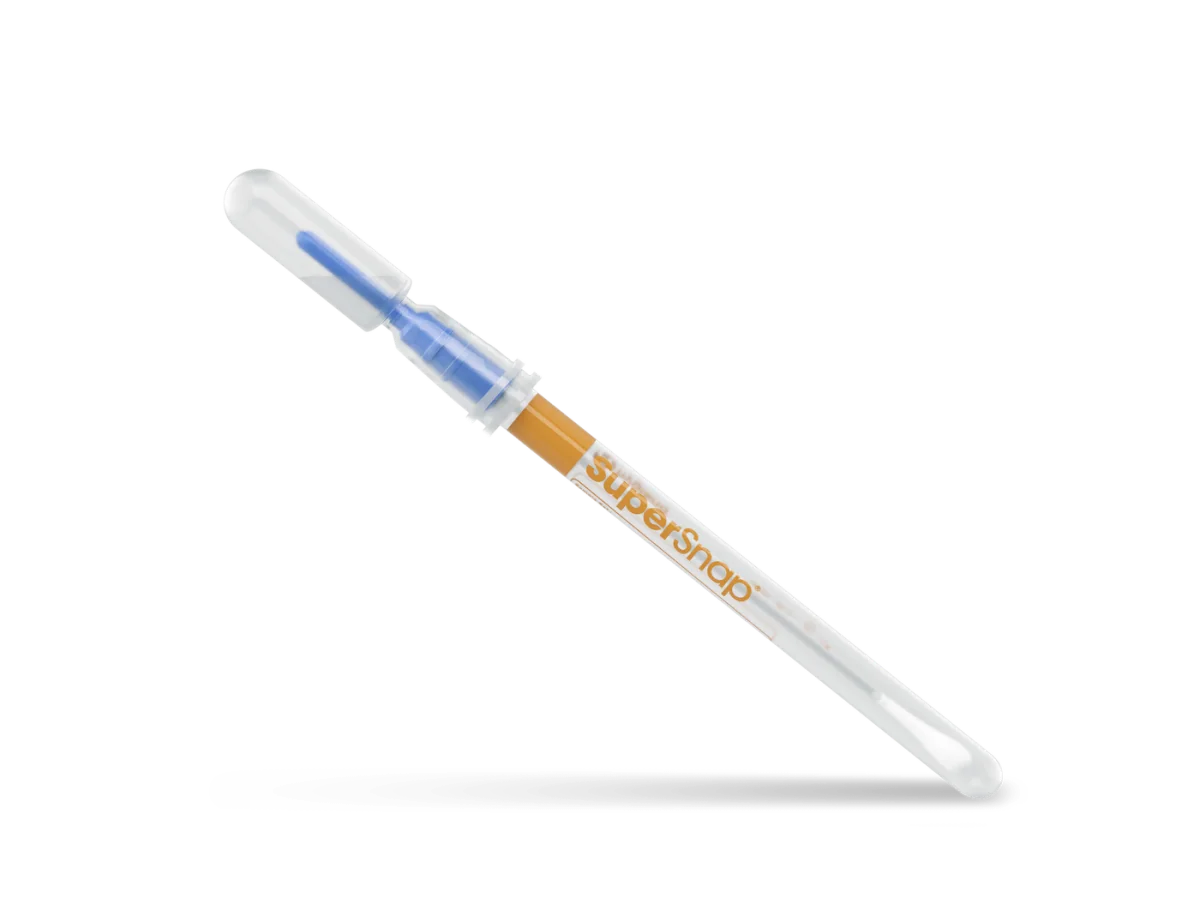
The manufacturer’s declaration covers cleaning verification tests: PRO-Clean, AllerSnap, UltraSnap, AquaSnap, SuperSnap, SpotCheck and SpotCheck Plus. It describes reagent composition and the absence of porcine-derived components in these tests.
The declaration applies to the listed tests, not the entire Hygiena portfolio.
Reviewed on 5 May 2024 · PDF · English · 212 KB
Download declaration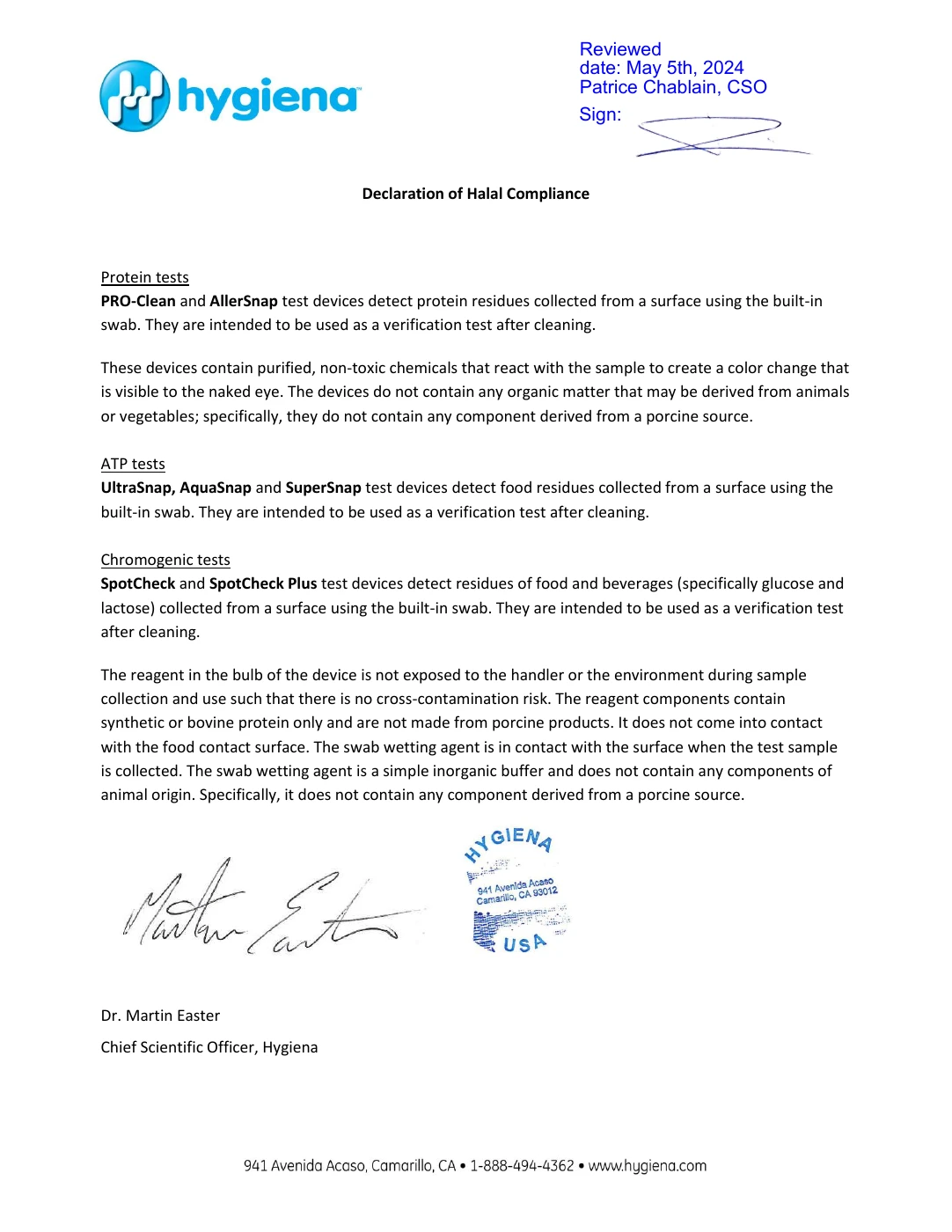 Open full-size original ↗
Declaration text — for reference*
*Text reproduced for reference. The original English document is available in the PDF above.
Protein tests
PRO-Clean and AllerSnap test devices detect protein residues collected from a surface using the built-in swab. They are intended to be used as a verification test after cleaning.
These devices contain purified, non-toxic chemicals that react with the sample to create a color change that is visible to the naked eye. The devices do not contain any organic matter that may be derived from animals or vegetables; specifically, they do not contain any component derived from a porcine source.
ATP tests
UltraSnap, AquaSnap and SuperSnap test devices detect food residues collected from a surface using the built-in swab. They are intended to be used as a verification test after cleaning.
Chromogenic tests
SpotCheck and SpotCheck Plus test devices detect residues of food and beverages (specifically glucose and lactose) collected from a surface using the built-in swab. They are intended to be used as a verification test after cleaning.
The reagent in the bulb of the device is not exposed to the handler or the environment during sample collection and use such that there is no cross-contamination risk. The reagent components contain synthetic or bovine protein only and are not made from porcine products. It does not come into contact with the food contact surface.
The swab wetting agent is in contact with the surface when the test sample is collected. The swab wetting agent is a simple inorganic buffer and does not contain any components of animal origin. Specifically, it does not contain any component derived from a porcine source.
Dr. Martin Easter, Chief Scientific Officer, Hygiena.
Reviewed May 5th, 2024: Patrice Chablain, CSO.
Hygiena
Go deeper
A selection of materials to understand the method, compare instruments and choose the right lab configuration.
LabLog
Implementation considerations
Test implementation starts with the matrix, sampling point, analytical target and decision rule. Before supply, LabLog checks reader and consumable compatibility, control requirements, frequency, training, storage and result documentation.
How LabLog supports the project
- 01Define the matrix, sampling point and target
- 02Check the decision threshold and applicable method
- 03Agree the reader, tests, controls and stock level
- 04Prepare storage, training and a working instruction
- 05Verify a trial cycle before routine use
You may also find useful
Solutions for related tasks and adjacent workflow stages. We will help match the configuration to your process.