
FOSS / grain
FOSS Infratec: rapid NIR grain analysis at intake
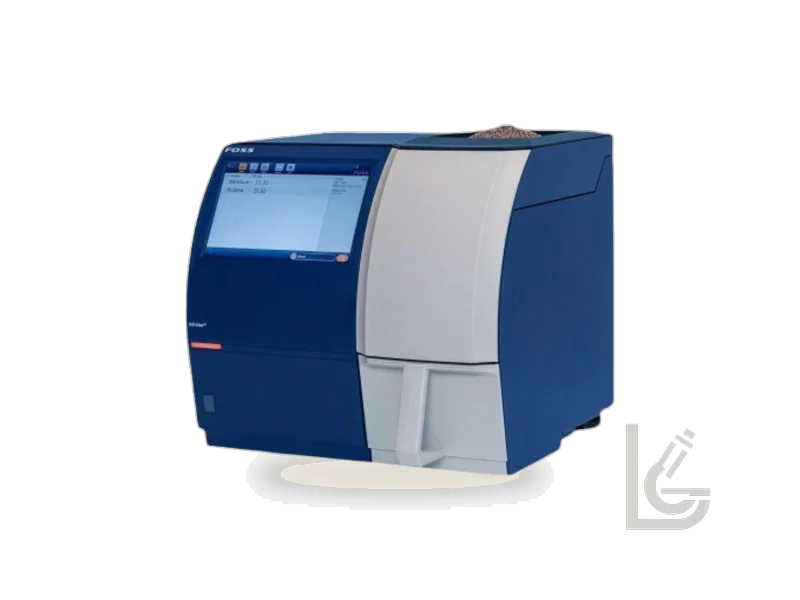
At grain intake, batch decisions often have to be made immediately: accept, sort, store, settle quality or send the grain to the right processing stream. FOSS Infratec helps reveal key whole-grain parameters quickly without waiting for a classical laboratory workflow.

In short
The problem: batch quality must be known before unloading
If moisture, protein, oil or test weight become clear too late, the process loses control: a batch may enter the wrong silo, mix with another quality, create settlement disputes or require re-testing. Rapid NIR/NIT control is not for a nice number; it is for decisions at the intake point.
What FOSS Infratec is
Infratec is a stationary FOSS analyser for whole grain, oilseeds and pulses. It uses near-infrared light and FOSS calibrations to translate the optical response of a sample into practical quality parameters. According to FOSS materials, analysis of 10 sub-samples including test weight takes under 60 seconds.
What can be measured
The parameter set depends on crop, calibration and selected method. For grain and agricultural raw materials, typical controls include moisture, protein, oil or fat, test weight, starch, gluten, fibre, ash and other parameters. This helps not only to know the analysis, but to manage sorting, storage, processing and settlement.
- An elevator can decide where to route a batch and how to store it.
- A trader gets an argument for transparent quality settlement.
- A mill or feed mill can adjust recipes faster.
Why whole-grain analysis matters
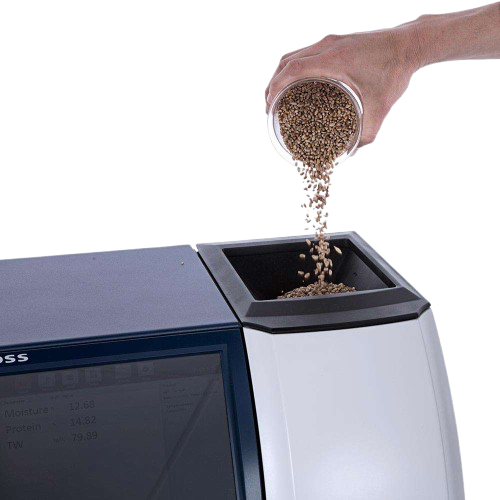
Classical laboratory analysis remains an important reference, but at intake speed often decides everything. Whole-grain analysis reduces sample preparation, limits manual operations and supports faster decisions. Near-infrared transmission works through the sample volume, which makes Infratec valuable when the goal is to assess a batch rather than only the grain surface.
Calibrations and confidence in results
The strength of FOSS is not only the instrument, but also the method base: calibrations, standardisation and network management. Serious implementation still starts with the right question: which crops, parameter ranges and reference data are needed for your site. LabLog helps make this step clear: select the configuration, verify the method on local raw materials and train operators.
How LabLog implements Infratec in Uzbekistan
We look not only at the model name, but at the real task: which crops you receive, how many samples pass per day, which parameters affect price and storage, who will operate the analyser and how results will enter your quality system. Then we select the solution, arrange supply, training, start-up and service support in Uzbekistan.
FAQ
FAQ
Does Infratec analyse whole grain or is grinding required?+
For relevant crops and calibrations, Infratec works with whole grain. This reduces sample preparation and makes the analyser practical for intake and routine control.
Which crops can be analysed on Infratec?+
Wheat, barley, maize, oilseeds, beans, pulses and other crops when the relevant calibrations and verified method are available.
What parameters does FOSS Infratec show?+
Depending on crop and calibration: moisture, protein, oil/fat, test weight, starch, gluten, fibre, ash and other parameters.
Is calibration verification on local raw materials needed?+
Yes. For serious production and settlement tasks, the method should be verified on local raw materials and compared with reference data. This is a normal part of implementation.
Sources and documents