
FOSS · Whole-grain NIR/NIT analysis
Infratec™
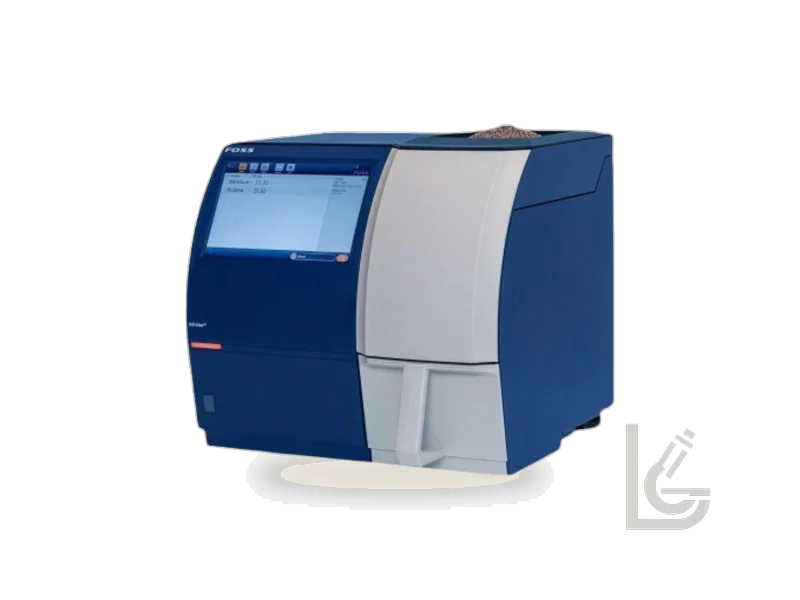
A stationary FOSS analyser for rapid control of whole grain, oilseeds and pulses at intake, storage and trading. It supports batch decisions within a minute: moisture, protein, oil, test weight and other parameters depending on crop and calibration.

Quick decision
Is this method right for your task?
Consider it when
Grain elevators, traders, mills, feed mills, agricultural holdings and intake-control laboratories
We clarify before quoting
Sample types, required parameters and ranges, tests per shift, reference method, sample preparation and data requirements.
Another method may be better when
You need different parameters, measurement ranges, throughput, automation or confirmation against another reference method.
Best suited for
Grain elevators, traders, mills, feed mills, agricultural holdings and intake-control laboratories
Capabilities and controlled parameters
- NIR/NIT spectroscopy for whole-grain analysis without grinding or complex sample preparation
- Wheat, barley, maize, oilseeds, beans, pulses and other crops when the relevant calibrations are available
- Moisture, protein, oil/fat, test weight, starch, gluten, fibre, ash and other parameters depending on crop and method
- According to FOSS materials: under 60 seconds for 10 sub-samples including test weight
- Near-infrared transmission analyses the grain volume, not only the surface
- For several intake points, Infratec can become part of one digital quality system: shared calibrations, comparable results and fewer subjective decisions when assessing a batch
- FOSS global calibrations plus method verification against local raw materials and reference data
- Useful for intake, batch sorting, quality settlement, laboratory control and storage management
- IP54-rated design, touchscreen interface and connectivity to FOSS/FossConnect digital tools
- LabLog helps select the configuration, implement the method, train operators and provide service in Uzbekistan
How analysis works
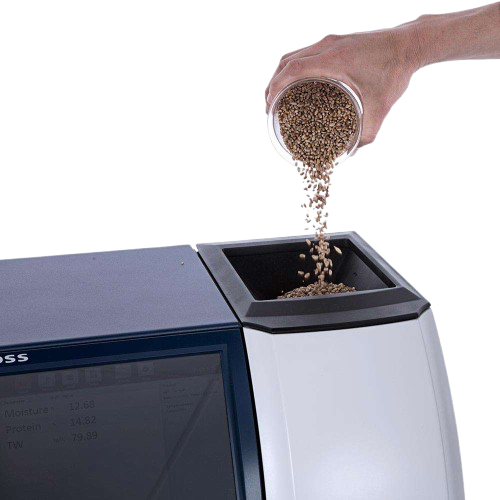
Pour in whole grain — get batch quality parameters
Infratec is built for rapid intake control: the sample is poured into the top cup, the analyser automatically measures sub-samples and displays key parameters without grinding or complex sample preparation.
- fewer manual steps at intake
- suitable for grain, oilseeds and pulses when the right calibrations are available
- results support sorting, storage and quality settlement decisions
FOSS
Go deeper
A selection of materials to understand the method, compare instruments and choose the right lab configuration.
LabLog
Implementation considerations
The final configuration depends on sample types, parameter ranges, throughput, accuracy requirements, and existing reference methods. Before proposing equipment, LabLog clarifies these factors and defines the supply scope, training, and method-verification plan.
How LabLog supports the project
- 01Capture requirements and compare suitable methods
- 02Configure the instrument, calibrations, and consumables
- 03Arrange official supply and commissioning
- 04Train operators in sample preparation and daily operation
- 05Provide service communication and repeat consumable supply