
Dairy laboratory
How to choose dairy laboratory equipment in Uzbekistan
A dairy laboratory should do more than measure composition. It should support intake decisions, quality confirmation, process control and claim-risk reduction.
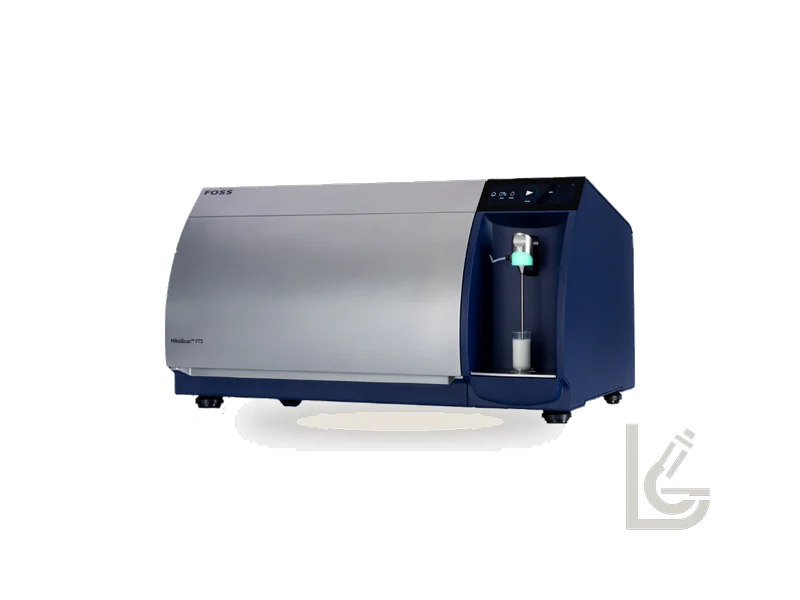

Start with the control task
Milk intake needs speed, repeatability and clear sampling rules. Production control needs stable results, calibrations and connection with the process. Farm use needs simplicity, consumables and staff training.
Compare methods, not only instruments
FTIR, ultrasound, rapid tests and microbiological control solve different tasks. A strong lab setup combines fast screening, confirmatory methods and a clear service plan.
Plan implementation early
Before purchase, clarify sample throughput, accuracy requirements, consumables, operator training and service communication. This reduces downtime risk after delivery.
Control map: from intake to finished product
At intake, control sample identity, temperature, sensory condition, acidity, density, key components and inhibitor risk. Production control covers standardisation, intermediates and process stability. Finished-product parameters depend on the matrix: drinking milk, cream, cheese, butter, yoghurt or powder.
Define the decision linked to each result in advance: accept or isolate a batch, repeat a test, adjust the process or send a sample to a confirmatory method. Without this link, even an accurate instrument only produces numbers.
Combining rapid and reference methods
FTIR supports rapid multi-component analysis of milk and liquid dairy products when a suitable calibration is available. Ultrasound is useful for routine control with more limited metrological demands. Antibiotic tests, somatic cell counting, pH, titratable acidity, ATP and microbiology answer different questions and are not interchangeable.
Verify a rapid method against the applicable reference method using representative local samples. The laboratory needs rules for bias checks, repeatability, control samples and action when results disagree.
Utilities, consumables and lifecycle
Before delivery, review power, water and drain, ventilation, ambient conditions, benches, separation of clean and used materials, reagent storage and waste handling. Requirements differ by method: a benchtop analyser and a Kjeldahl area need different infrastructure.
Budget for the instrument, consumables, controls, cleaning solutions, service, shift training, downtime contingency and periodic method verification. LabLog configures the system after defining matrices, throughput and the decisions the laboratory must support.
FAQ
FAQ
Where should dairy laboratory equipment selection start?+
Start with the real task: raw milk intake, composition control, antibiotics, somatic cells, sanitation or finished-product control. Then calculate sample throughput, accuracy requirements, consumables, training and service.
Can one instrument cover the entire dairy laboratory?+
Usually not. FTIR, ultrasound, rapid tests, somatic cell control, pH, moisture and ATP control solve different tasks. A strong laboratory is built as a system, not as one purchase.
Can LabLog solutions be seen before purchase?+
Yes. LabLog has an office, warehouse, large showroom and demo laboratory in Tashkent. Some equipment can be seen, compared and discussed with managers and technical specialists.
Sources and documents