
Wile · Grain and seed moisture meters
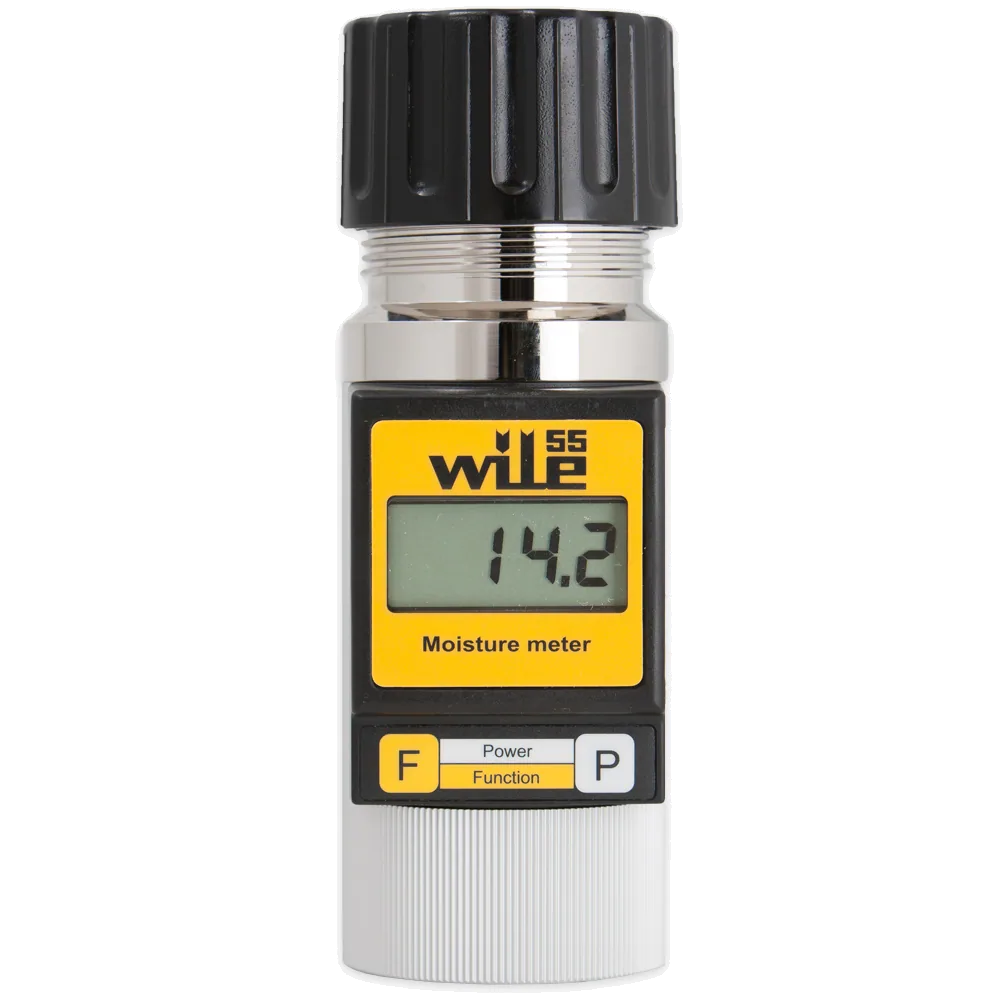
Wile 55
Portable whole-grain and seed moisture meter for field, harvest and storage checks. Measures without grinding, with crop-scale selection and sample averaging.

Quick decision
Is this method right for your task?
Consider it when
Farms needing a simple handheld instrument to check moisture across grain lots. Consider Wile 200 if test weight and temperature are also required.
We clarify before quoting
Sample types, required parameters and ranges, tests per shift, reference method, sample preparation and data requirements.
Another method may be better when
You need different parameters, measurement ranges, throughput, automation or confirmation against another reference method.
Best suited for
Farms needing a simple handheld instrument to check moisture across grain lots. Consider Wile 200 if test weight and temperature are also required.
Capabilities and controlled parameters
- Whole-grain measurement without grinding. Fill the measuring cup and compress the sample with the cap as instructed.
- The manual describes 16 crop scales and a basic scale; verify the selected crop number against the instrument’s scale list.
- Typical manual ranges: cereals 8–35%, oilseeds 5–25%. Individual crop scales may differ.
- Automatic temperature compensation, averaging of up to 99 readings and scale adjustment against a reference result.
- For grain checks, the manufacturer recommends similar sample and meter temperatures, ideally 16–32 °C.
- Kit: meter, carrying case and strap, filling cup, 9 V battery and instructions. Additional probes are specified separately.
- Before harvest, compare readings with the receiving elevator’s oven reference method. Take several representative samples and average the results; apply an adjustment following the manual when needed.
- Crops and ranges depend on regional scales and instrument version. The Finnish crop list does not define the configuration supplied to Uzbekistan.
Before the first measurement
- Specify the crop or material, moisture range and measurement location.
- Agree regional scales, probes and kit contents. Cotton requires a W251 probe.
- Prepare a representative sample and follow the manual’s temperature conditions.
- Compare results with the accepted reference method and repeat measurements at several locations.
Official manuals and resources
All Wile manualsManufacturer documents are supplied in their original languages. Scales, firmware and older manual specifications may differ from the current supply. Kit contents and warranty terms are confirmed in the quotation.
Instrument in use
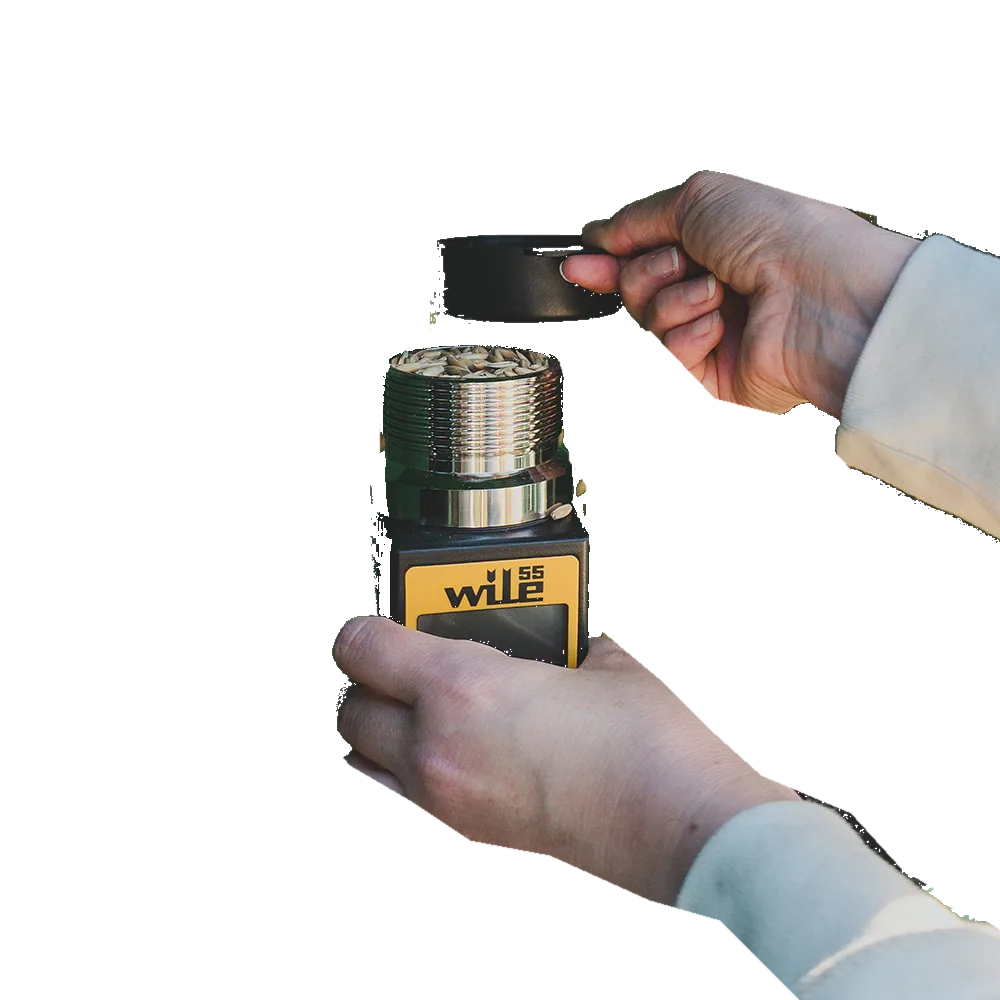
Detailed specifications and manufacturer documentation.
Official Wile product pageWile
Go deeper
A selection of materials to understand the method, compare instruments and choose the right lab configuration.
LabLog
Implementation considerations
The final configuration depends on sample types, parameter ranges, throughput, accuracy requirements, and existing reference methods. Before proposing equipment, LabLog clarifies these factors and defines the supply scope, training, and method-verification plan.
How LabLog supports the project
- 01Capture requirements and compare suitable methods
- 02Configure the instrument, calibrations, and consumables
- 03Arrange official supply and commissioning
- 04Train operators in sample preparation and daily operation
- 05Provide service communication and repeat consumable supply
You may also find useful
Solutions for related tasks and adjacent workflow stages. We will help match the configuration to your process.
Wile · Similar tasks
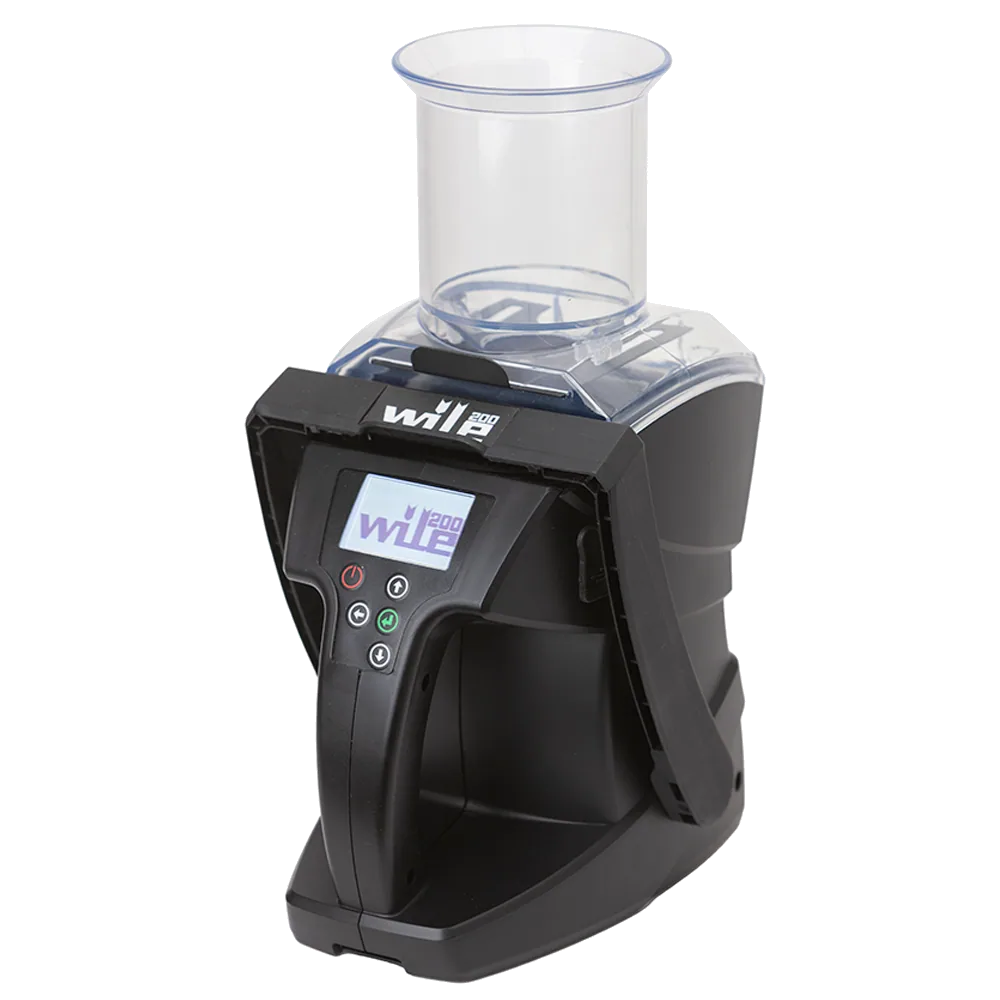
Wile 200
Compare grain and seed moisture meters
Learn more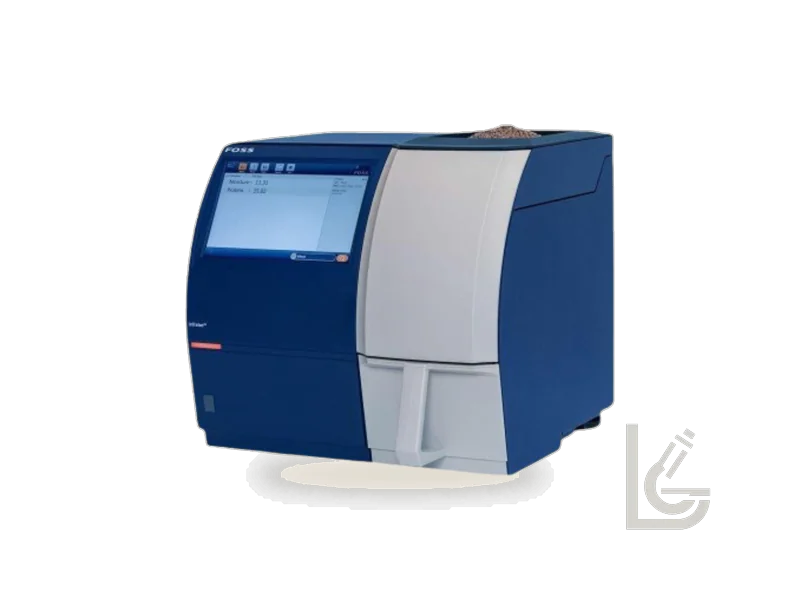
FOSS · Complements the workflow
Infratec™
For broader grain-quality testing
Learn more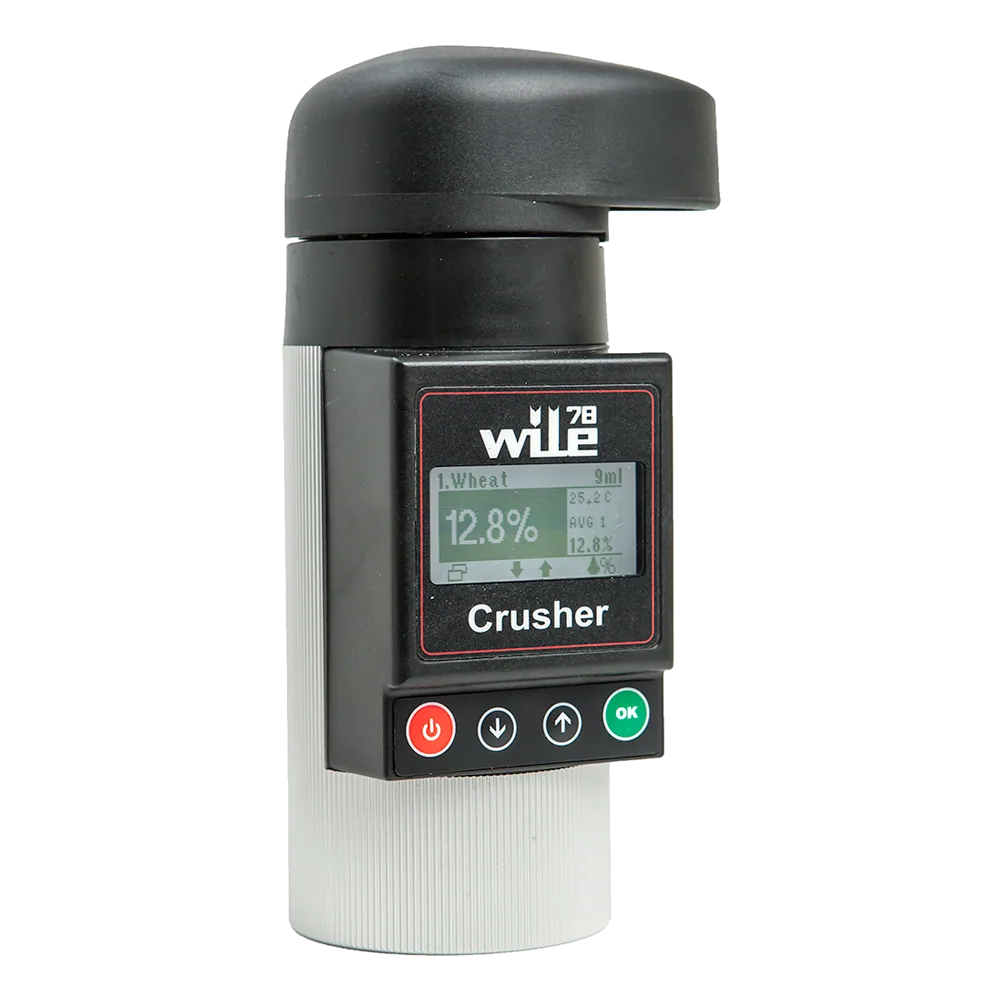
Wile · Similar tasks
Wile 78
Compare grain and seed moisture meters
Learn more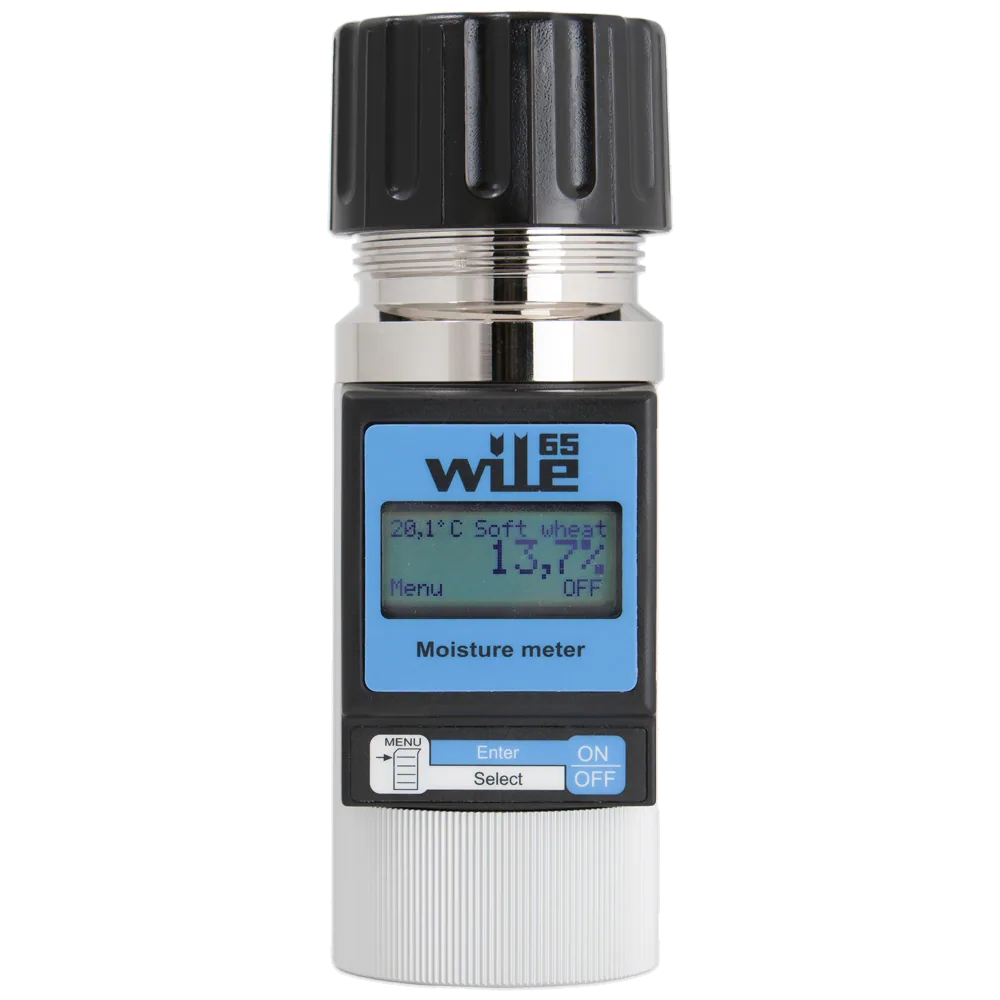
Wile · Similar tasks
Wile 65
Compare grain and seed moisture meters
Learn more