
Dairy laboratory
MilkoScan Mars or MilkoScan FT3: what to choose for milk intake, laboratory and production
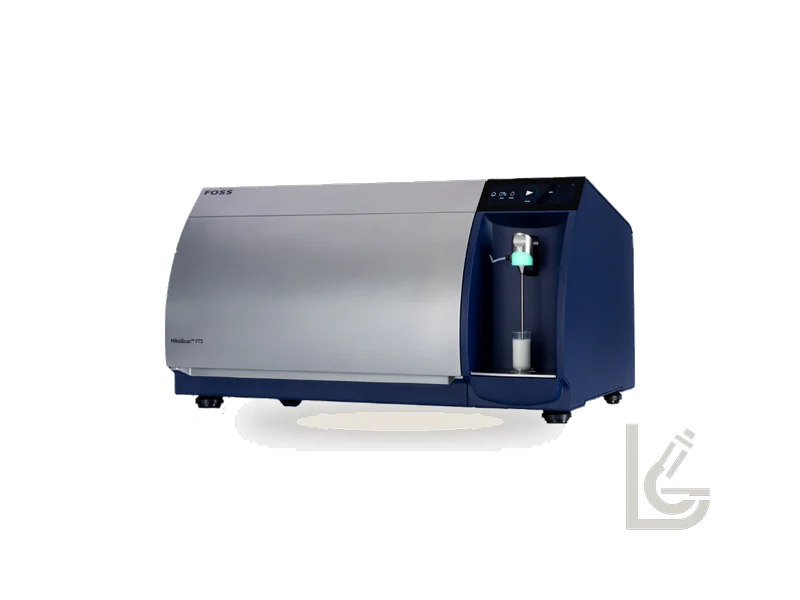
MilkoScan Mars and MilkoScan FT3 are not rivals in a simple “which one is better” comparison. They are two levels of the same FOSS quality-control logic. Mars helps make fast decisions at milk intake and in a straightforward production lab. FT3 is for sites where the laboratory becomes a quality-management centre: raw material, standardisation, process, finished product and unified data.

In short
The main difference is the instrument’s role in the quality system
When choosing a milk analyser, it is important to compare more than the parameter list. The instrument is bought for decisions: accept or hold raw milk, adjust standardisation, detect a process deviation and confirm finished-product release. Mars gives a fast, clear answer where speed matters more than system depth. FT3 covers a wider laboratory role — from raw material to finished product and data traceability.
- raw milk intake and fast primary control
- standardisation and process control
- finished product verification and unified quality history
MilkoScan Mars: a fast answer at intake and in a simple laboratory
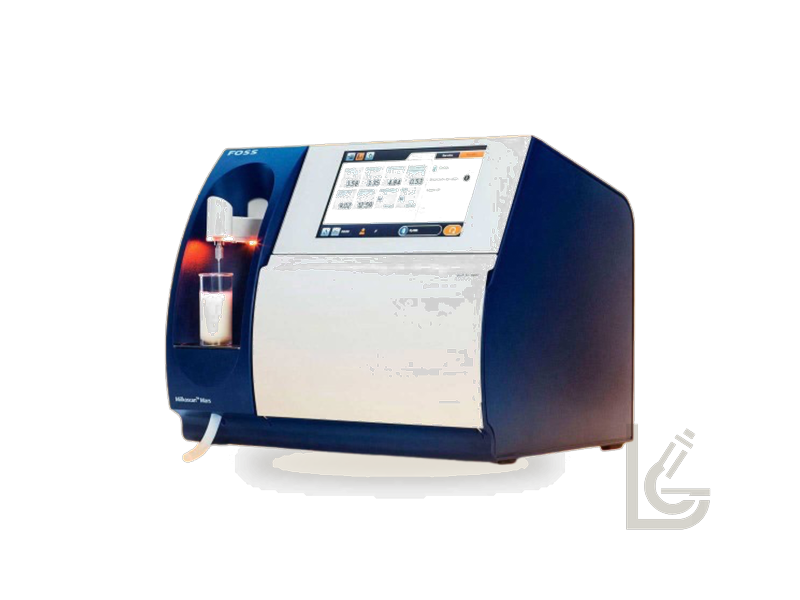
MilkoScan Mars is a compact FTIR analyser for routine multi-parameter control. It is suitable for raw and processed milk, cream and whey, uses a small sample volume and helps assess key parameters in about one minute. Current Mars configurations may include extended parameter sets, including density and acidity; LabLog confirms the final configuration for each plant’s task. The strength of Mars is giving the operator a fast decision: the raw material can move forward, needs rechecking or should be held.
- milk intake and fast batch decisions
- small and medium plants with a standard laboratory
- an additional control point next to a central laboratory
MilkoScan FT3: when the lab manages the product, not only intake
MilkoScan FT3 is a higher-throughput FTIR system for a central dairy laboratory. It is designed for high workload, a wide range of liquid and semi-solid dairy products, and tasks where the lab influences technology: standardisation, recipe stability, process control, finished products and data history. For larger plants and sites with serious quality control, FT3 usually becomes the core instrument of the laboratory system.
- many samples per day and high laboratory workload
- control of raw material, process and finished products
- unified data, FossManager and traceability
Control stages: from tanker to finished product
A strong dairy laboratory is built not around a single analysis, but around a chain of decisions. At intake, raw material must be assessed quickly. During production, recipe and standardisation must be kept stable. At release, the finished product must be confirmed. In this logic, Mars can cover fast intake control, while FT3 covers central process and product control.
- intake: do not send problematic raw milk into production
- process: detect deviations before they become losses
- finished product: release stable batches with a clear history

Centralised system: when instruments speak the same language
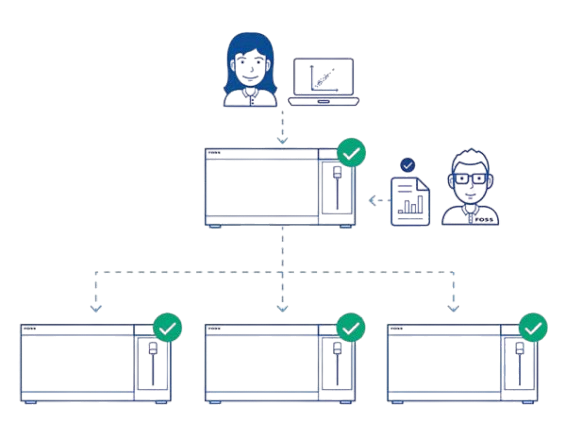
When a company has several intake points or several instruments, analysis speed is not enough. Data should be collected into one system, rules should be consistent and the quality manager should see the picture across suppliers, batches and laboratories. That is why an optimal architecture often looks like this: Mars where a fast primary answer is needed; FT3 in the central laboratory where deeper decisions are made.
- unified rules for measurement and reporting
- history by suppliers, batches and control points
- scaling without data chaos
What to check before choosing
Before buying, it is better to describe the real workflow instead of choosing from a catalogue. How many samples per day? Which products are analysed? Does the lab only receive milk or manage the process? Is an instrument network needed? Who will handle calibration, control and result confirmation? These answers usually show whether Mars, FT3 or a two-level setup is needed.
- daily sample count and peak workload
- matrices: milk, cream, whey, yoghurt and finished products
- whether data integration and central management are required
LabLog practical conclusion
If the task is fast raw milk intake, core parameter control and a simple laboratory setup, MilkoScan Mars is often the logical starting point. If the task is product quality management, standardisation, batch stability and data across production, MilkoScan FT3 is the stronger direction. In Uzbekistan, LabLog helps select the configuration and supports supply, start-up, training and service.
FAQ
FAQ
When can MilkoScan Mars be sufficient?+
Mars is well suited for milk intake, smaller plants and laboratories that need fast decisions on key indicators. Modern Mars configurations can expand the parameter set; the exact configuration should be selected for the task.
When is MilkoScan FT3 the better choice?+
FT3 is more suitable for larger plants and laboratories controlling not only raw milk but also process, finished product, batch stability and data history. It is not just fast checking; it is a quality-control system.
Can Mars and FT3 be used together?+
Yes. A common setup is Mars at intake or fast control points, with FT3 in the central laboratory for deeper and more reproducible control across the dairy chain.
Sources and documents